Isle of Man wildlife notes
Our home patch is an island with no foxes, no squirrels and a thriving colony of wallabies. Here’s what we know, with the receipts.
Land mammals
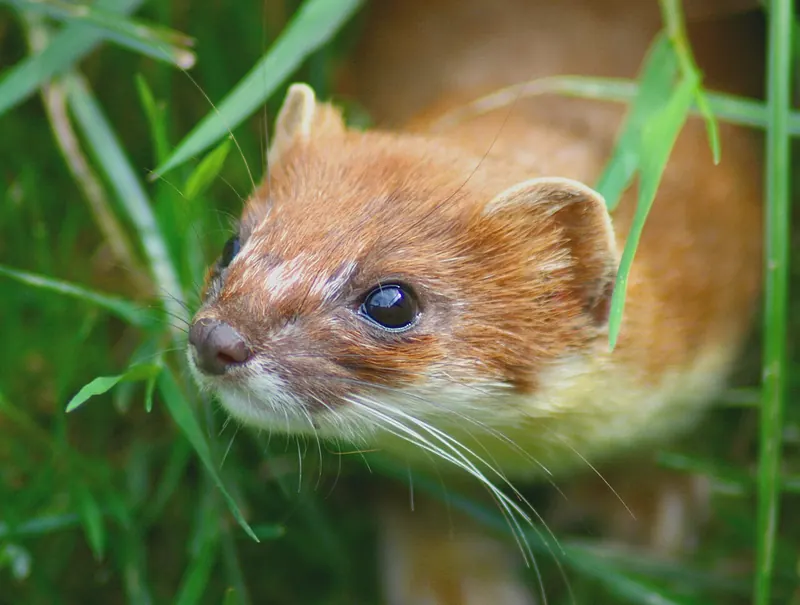
The Isle of Man has 14 land mammal species (MWT, State of Nature 2024). [MWT] Irish stoats are the only resident species yet shown conclusively to have reached the island on their own. [MWT]
Manx stoats do not turn white in winter. [Manx Peat]
There are no foxes, badgers, squirrels, moles, deer or voles on the Isle of Man. [MWT] There is no evidence red squirrels have ever lived on the Isle of Man. [Mammal Society]
Mountain hares live in the northern hills. [MWT] Since rat and other eradications, the only land mammals left on the Calf are pygmy shrews and rabbits. [MWT]
The wallabies
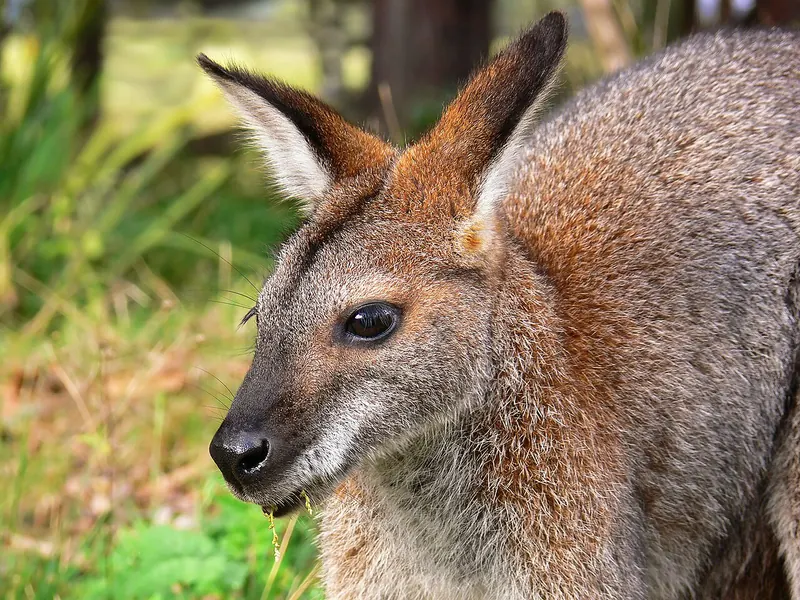
The wallabies descend from escapes from the Curraghs wildlife park in the 1960s and now probably number over a thousand. [Manx Peat] Yes, really. The Ballaugh Curraghs has a persistent breeding colony of wild wallabies. [source]
Amphibians & reptiles
The common frog is the only native amphibian and the common lizard the only native reptile. [Manx National Heritage]
Seabirds
The Manx name for the Manx shearwater is Scraayl. [MWT] Brown rats reached the Calf of Man, reputedly from a shipwreck in 1781, and devastated its shearwater colonies. [MWT] After rat control began in 2012 the Calf’s shearwaters have recovered to around 1,500 pairs. [Manx BirdLife]
Choughs & harriers
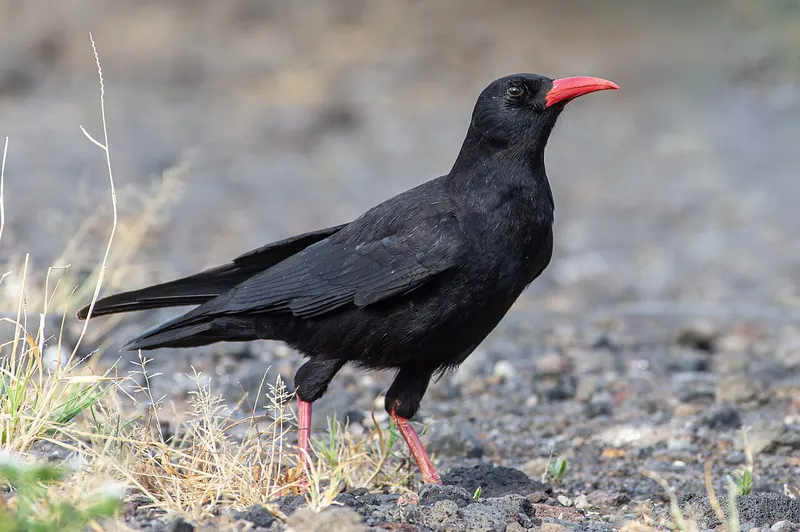
The 2025 chough census found 121 pairs, down 24% from 160 in 2014/15; the island holds about a third of the UK and IoM population. [Manx BirdLife]
38 hen harrier territorial pairs were counted in 2022, the most since the 2004 peak of 57. [Manx BirdLife]
In the sea
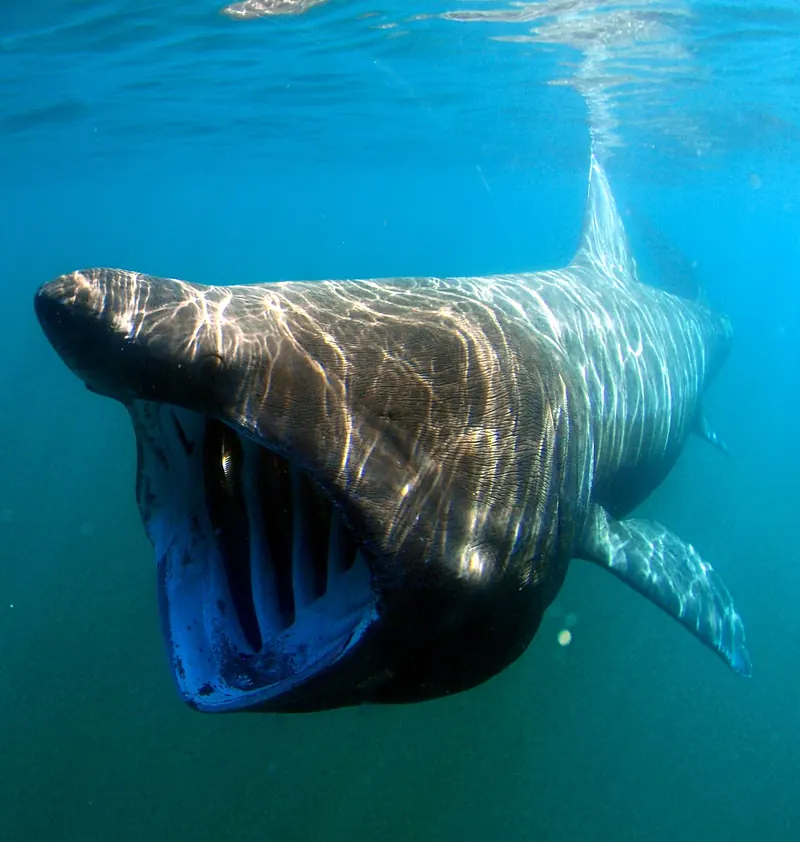
Basking sharks visit Manx waters mostly between May and August, especially off the west coast from Peel to the Calf. [MWT]
The commonly seen cetaceans are harbour porpoise, Risso’s dolphin, minke whale, bottlenose dolphin and common dolphin. [MWT]
Keep your distance: see the Coastal Code.
Island specials
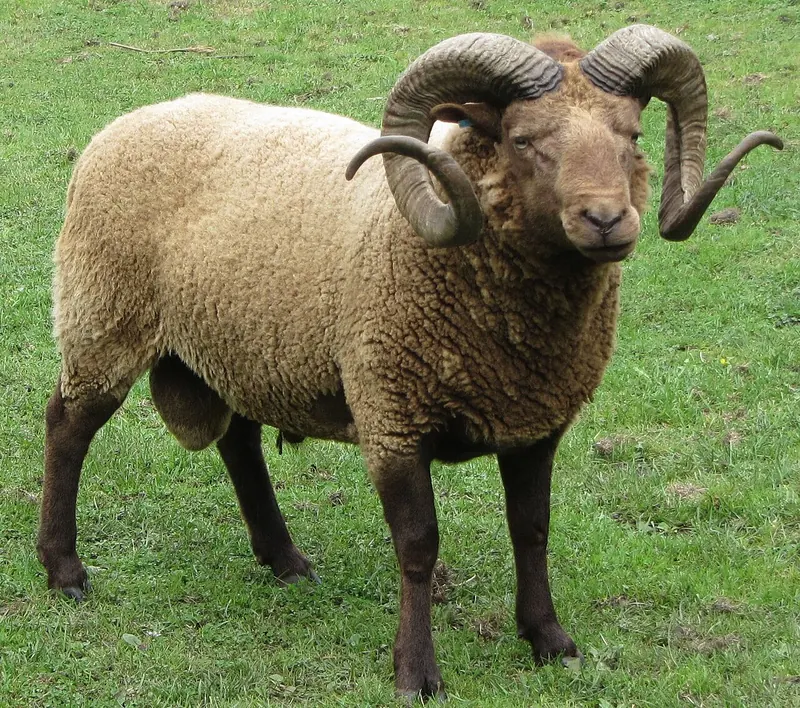
The Manx cat — a breed with a short tail or none at all — is specifically connected with the Isle of Man. [source] The Manx Loaghtan, a native breed of sheep, usually has four horns. [source]
The whole Isle of Man became a UNESCO Biosphere in 2016. [source]
Local groups doing the actual work: Manx Wildlife Trust, Manx BirdLife, Manx Whale & Dolphin Watch.