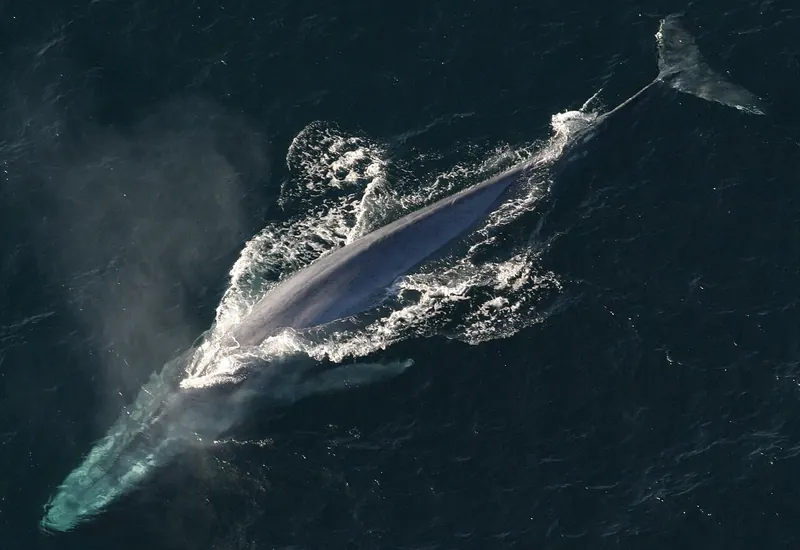
Blue whale
Balaenoptera musculus
The largest animal known ever to have existed — confirmed lengths of up to about 30 m. [source]
41 specimens, one checked fact apiece, each with a link to where we checked it. Pin your favourite to the fridge.
Balaenoptera musculus
The largest animal known ever to have existed — confirmed lengths of up to about 30 m. [source]
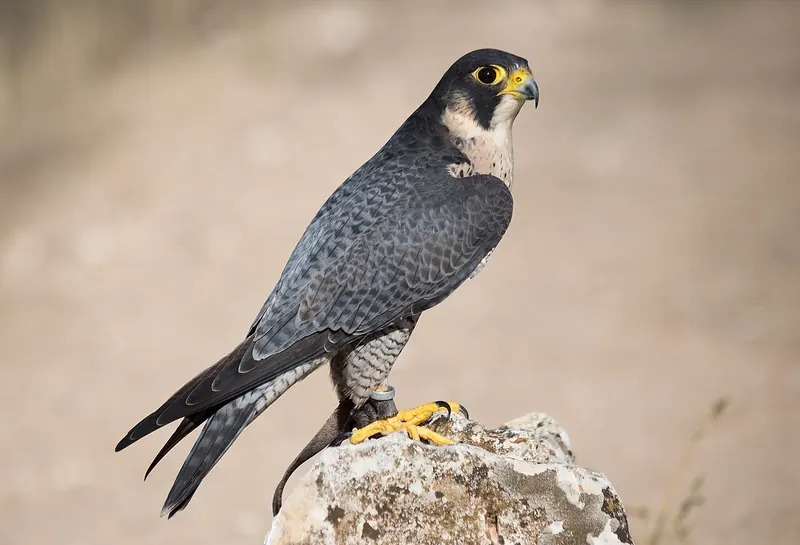
Falco peregrinus
Famous for its hunting stoop: speeds over 320 km/h are widely claimed, though radar has reliably clocked about 184 km/h. [source]
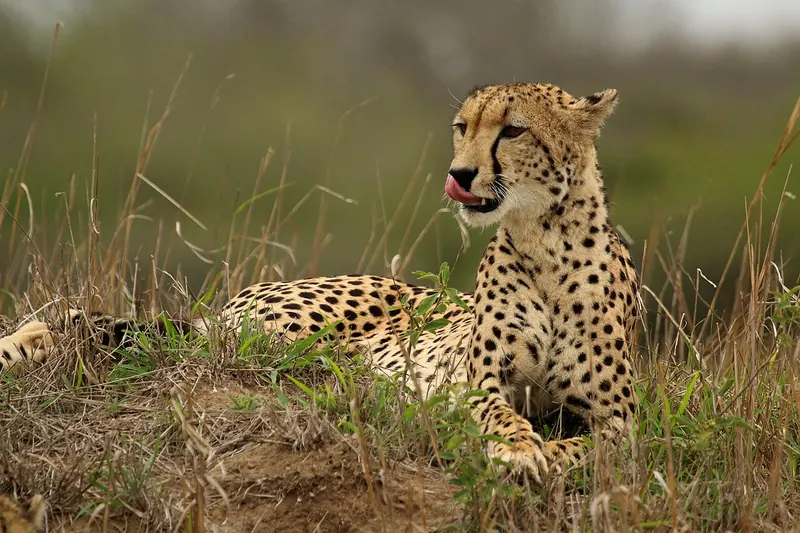
Acinonyx jubatus
The fastest land animal, sprinting at roughly 93–104 km/h. [source]
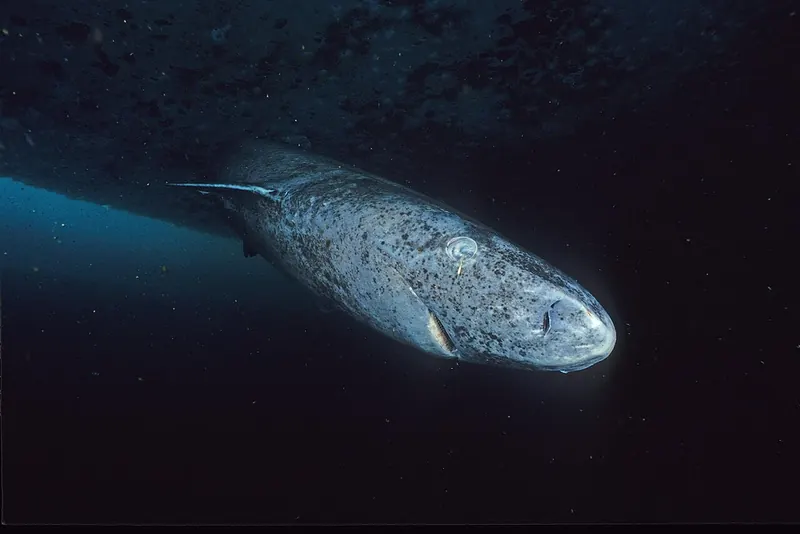
Somniosus microcephalus
The longest-lived vertebrate known: at least 272 years, possibly far more. [source]
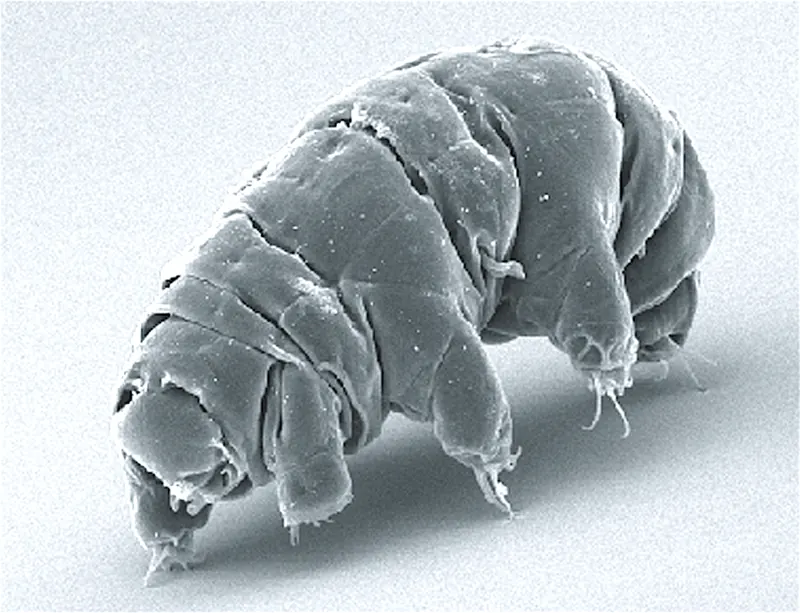
Phylum Tardigrada
Microscopic “water bears” that have survived exposure to outer space. [source]
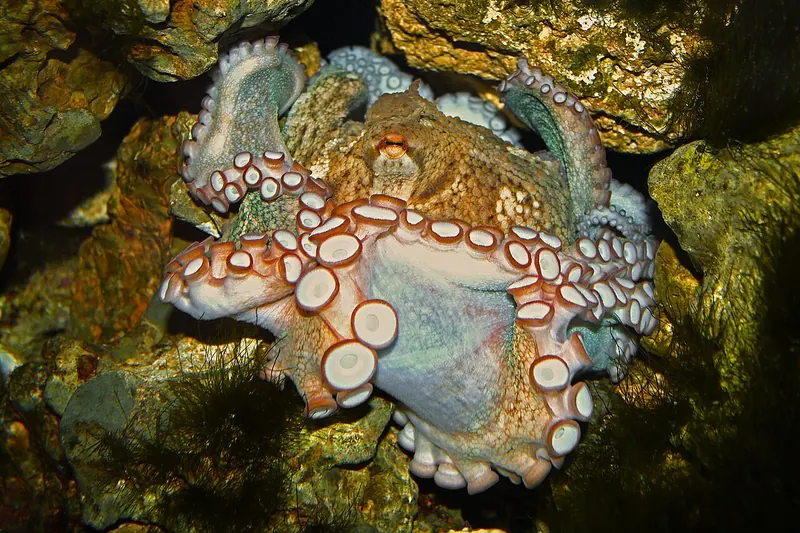
Octopus vulgaris
Octopuses have three hearts and blue, copper-based blood. [source]
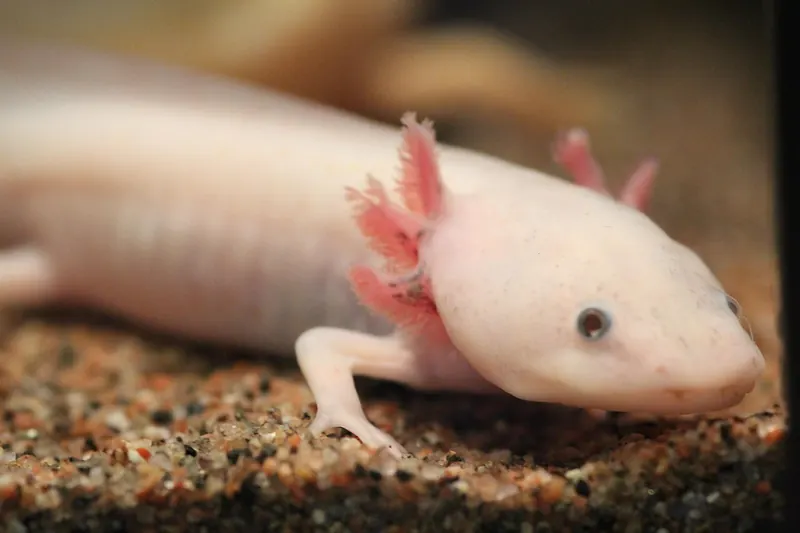
Ambystoma mexicanum
A salamander that stays in its larval form for life and can regrow lost limbs. Critically Endangered in the wild. [source]
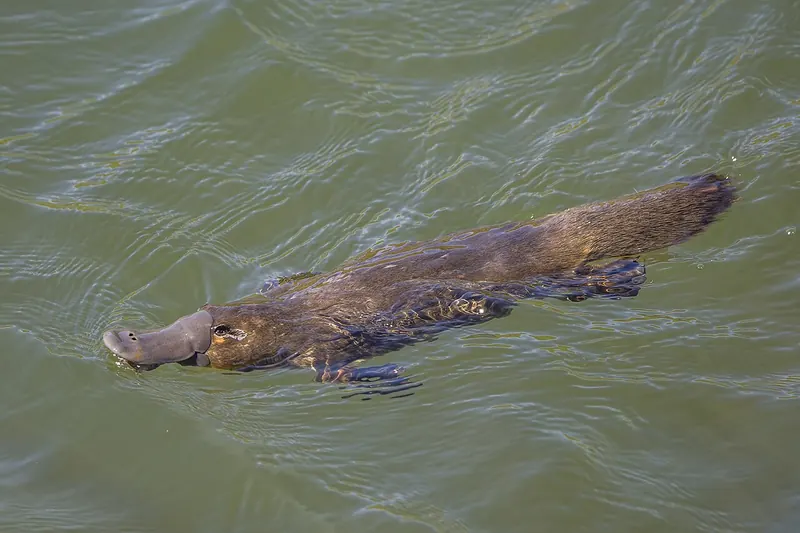
Ornithorhynchus anatinus
An egg-laying mammal; males carry a venomous spur on the hind foot. [source]
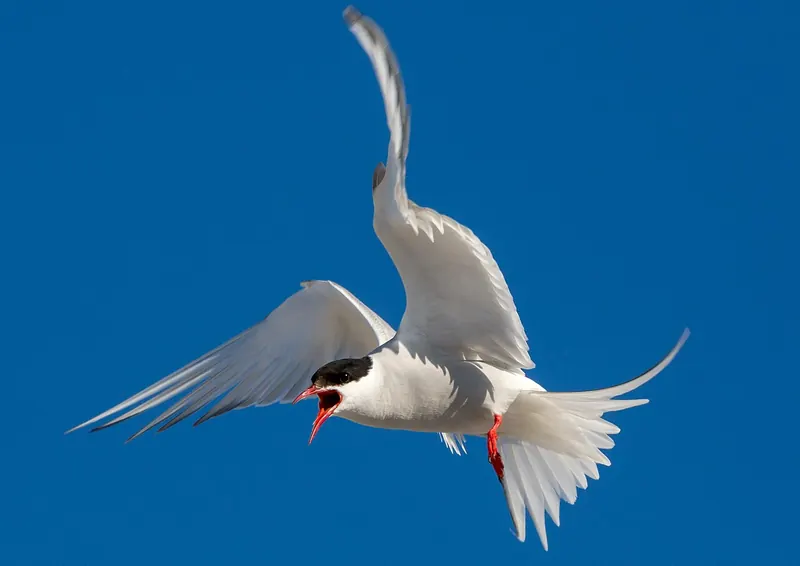
Sterna paradisaea
Makes the longest regular migration of any animal, chasing two summers a year. [source]
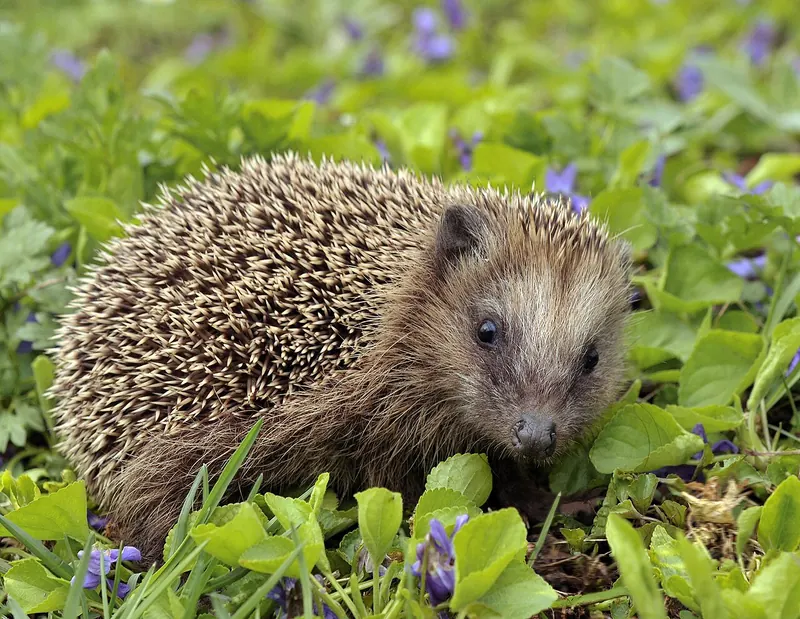
Erinaceus europaeus
A largely nocturnal insect-eater that hibernates through the winter. [source]
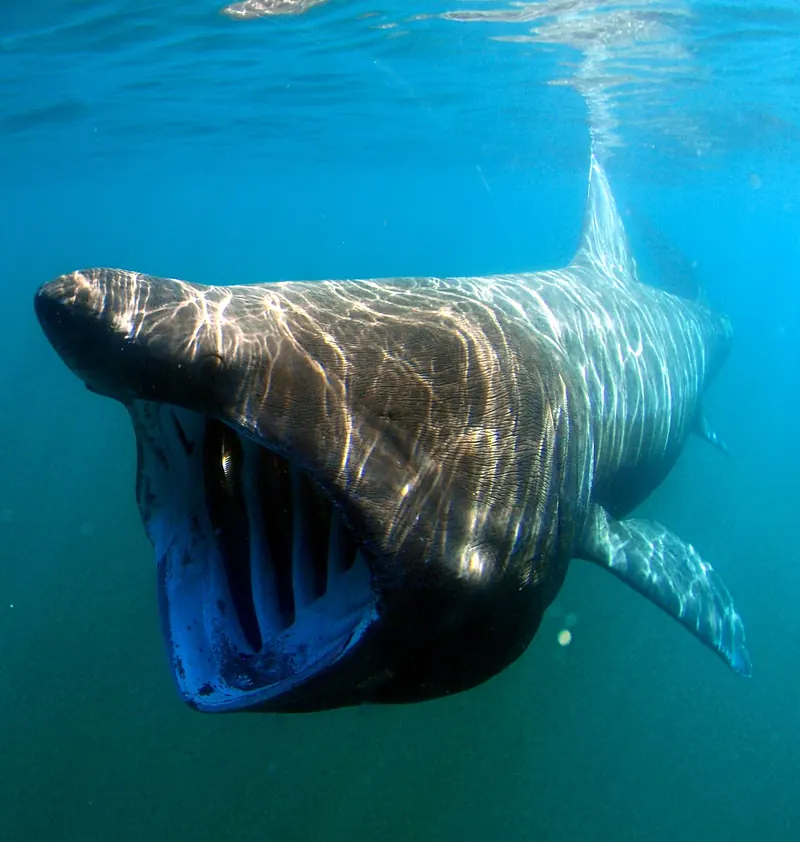
Cetorhinus maximus
The second-largest living fish — and it lives on plankton. [source]
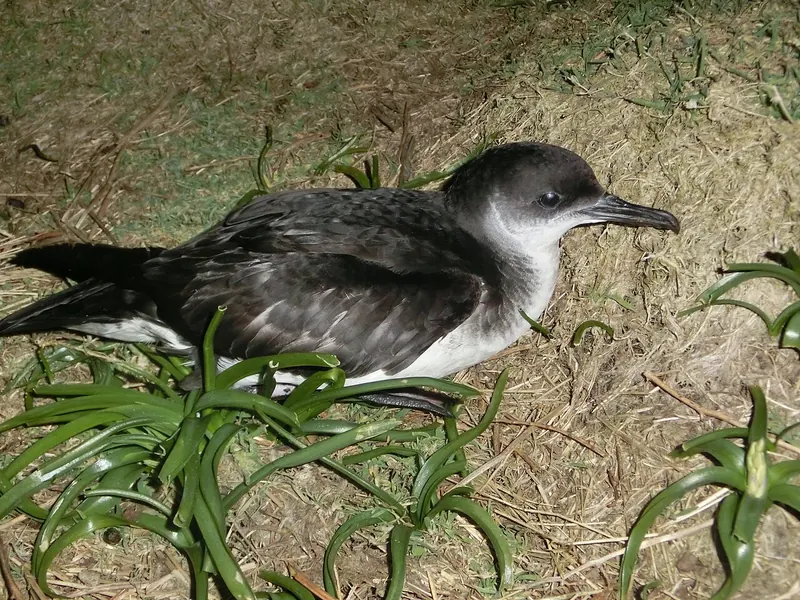
Puffinus puffinus
One ringed bird from Copeland was at least 55 years old in 2003. [source]
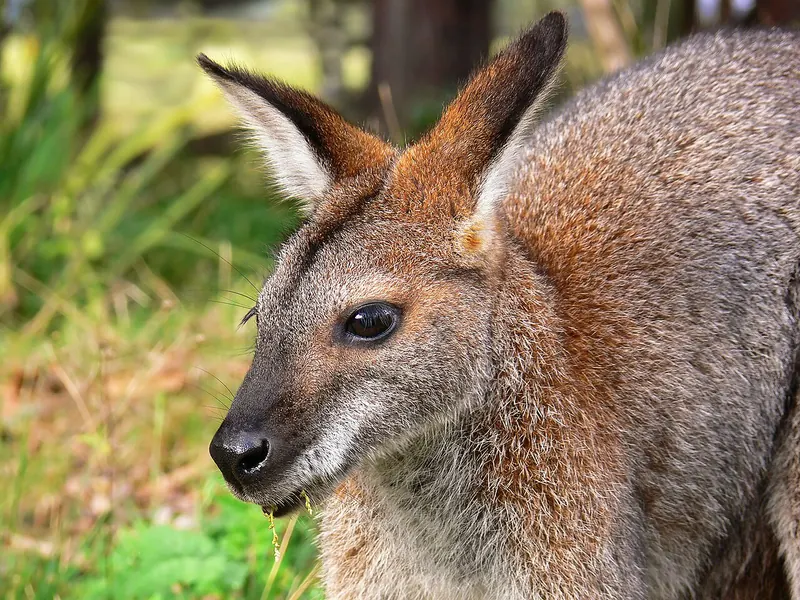
Notamacropus rufogriseus
An Australian marsupial — with a wild population on the Isle of Man, descended from 1960s–70s escapes from a wildlife park. [source]
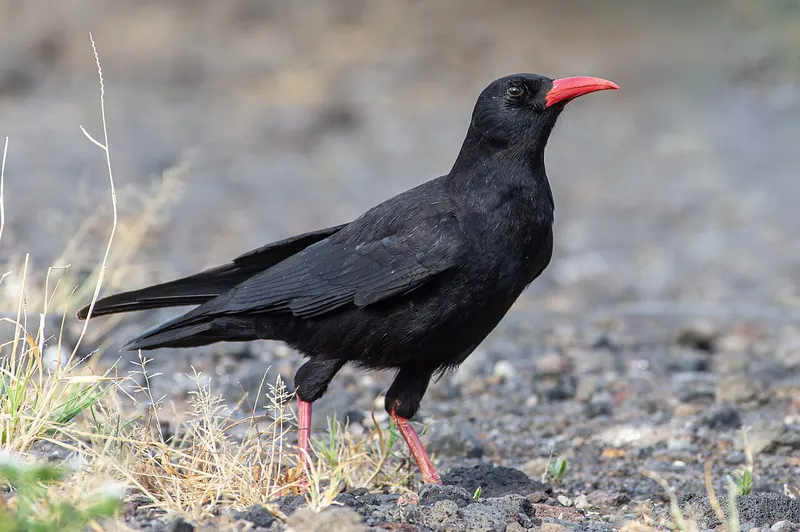
Pyrrhocorax pyrrhocorax
A crow with a long curved red bill, red legs and acrobatic flight. It pairs for life. [source]
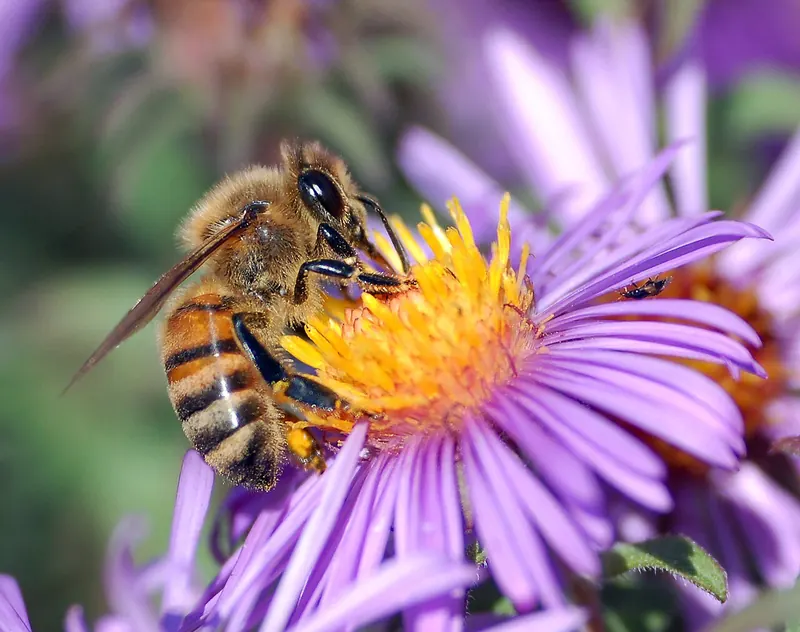
Apis mellifera
Colonies coordinate foraging with the “waggle dance”. [source]
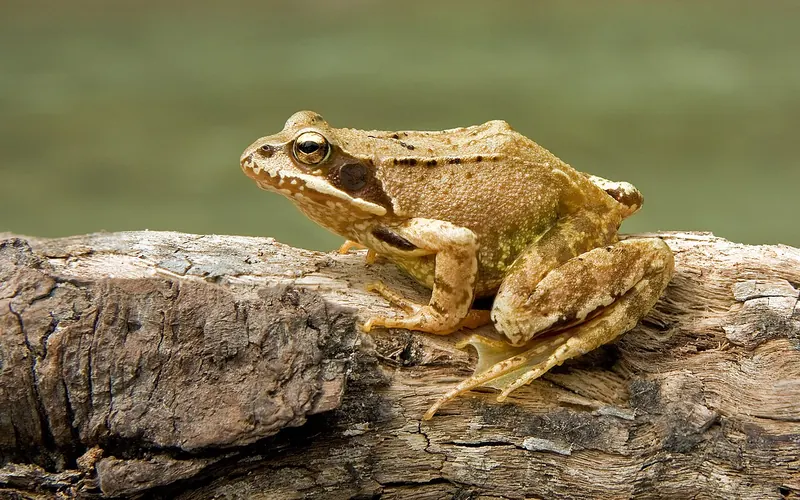
Rana temporaria
The only native amphibian on the Isle of Man. [source]
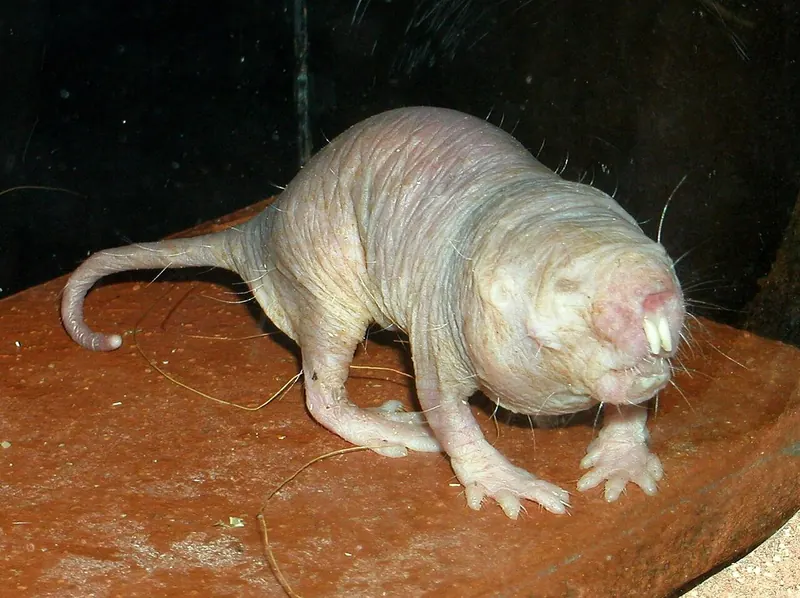
Heterocephalus glaber
A eusocial mammal with a queen, like a bee colony — and the longest-lived rodent known. [source]
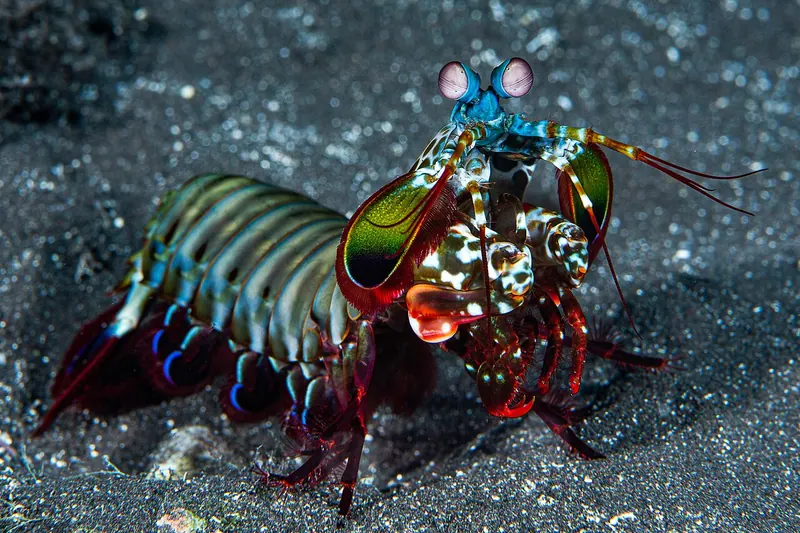
Odontodactylus scyllarus
Mantis shrimps have between 12 and 16 types of photoreceptor cells. [source]
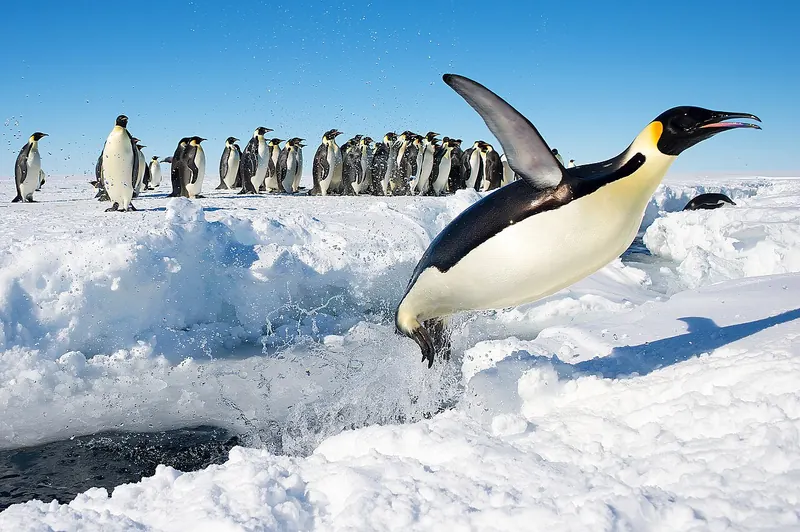
Aptenodytes forsteri
The tallest and heaviest penguin, recorded diving to 535 m. [source]
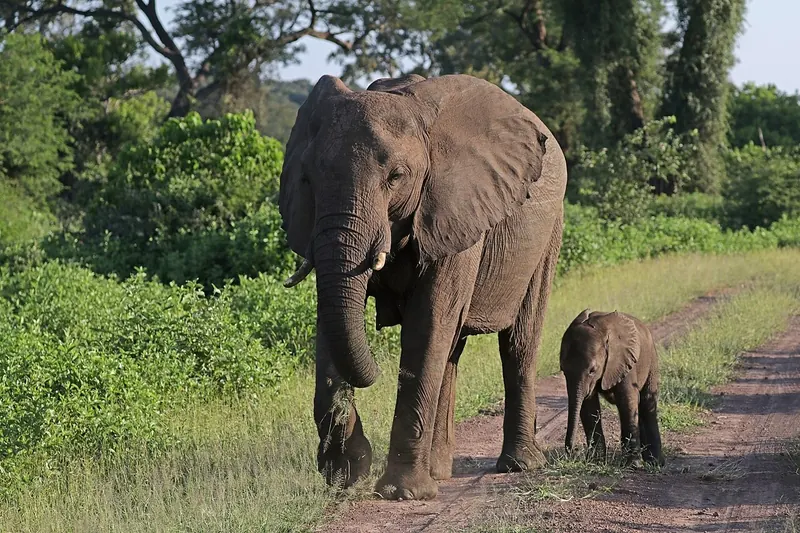
Loxodonta africana
The largest living land animal. [source]
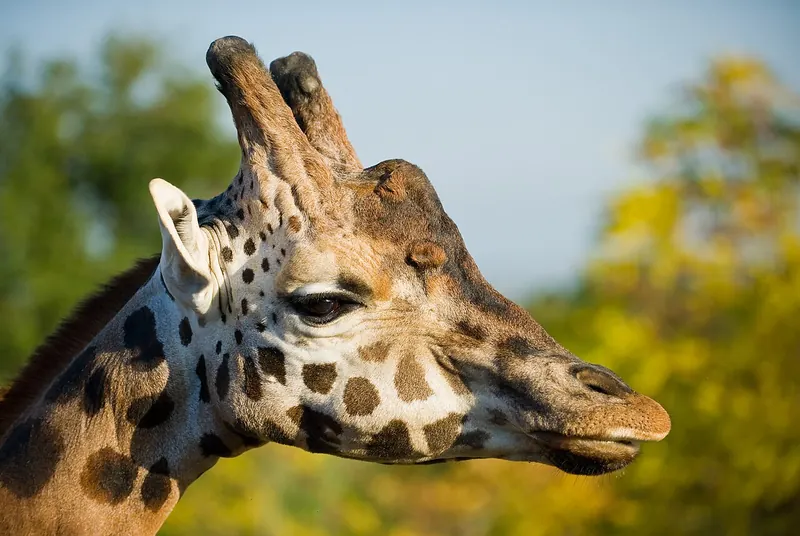
Giraffa camelopardalis
The tallest living land animal. Its long neck comes from lengthened vertebrae — each over 28 cm — not extra ones. [source]
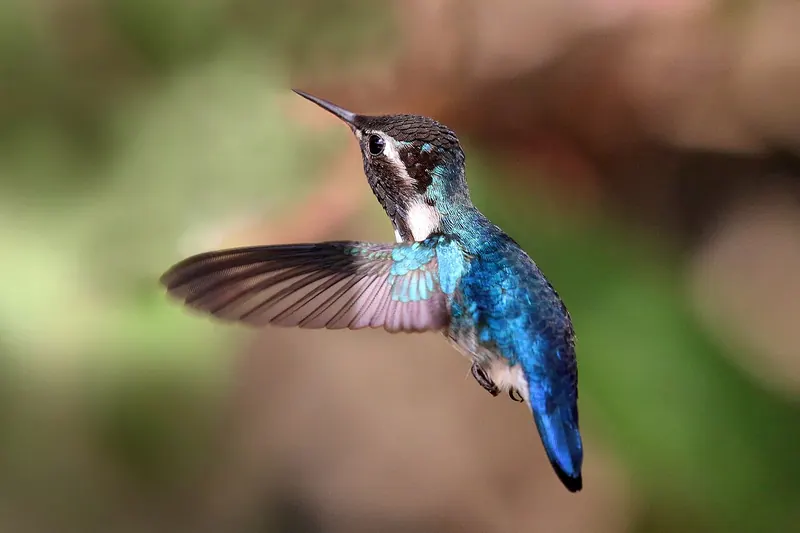
Mellisuga helenae
The smallest bird in the world; females weigh about 2.6 g. [source]
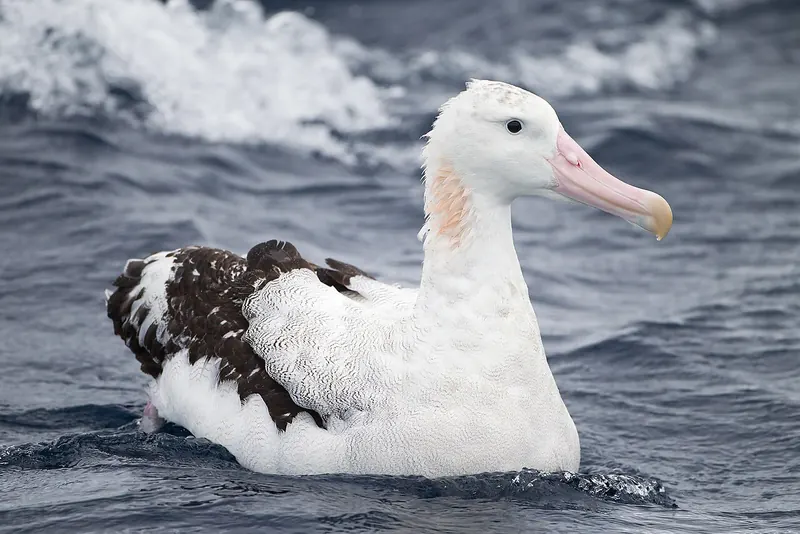
Diomedea exulans
Has the largest wingspan of any living bird, up to about 3.7 m. [source]
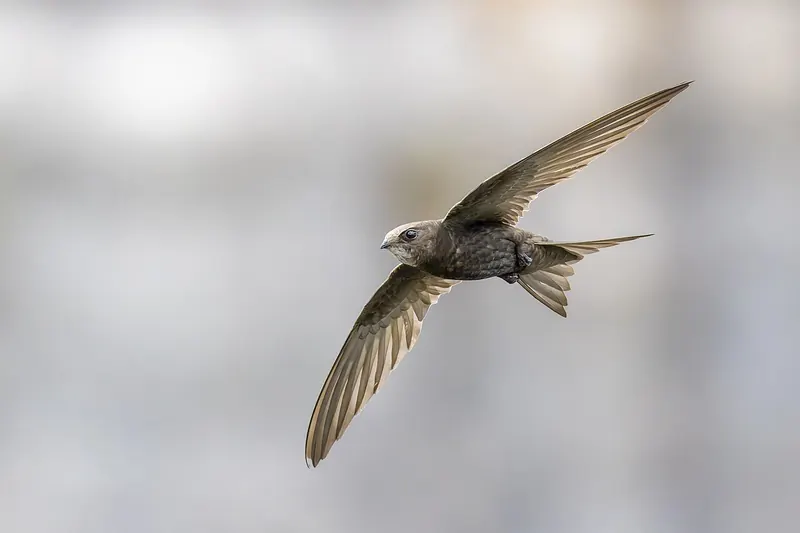
Apus apus
Young non-breeding swifts can stay airborne for up to ten months at a stretch. [source]
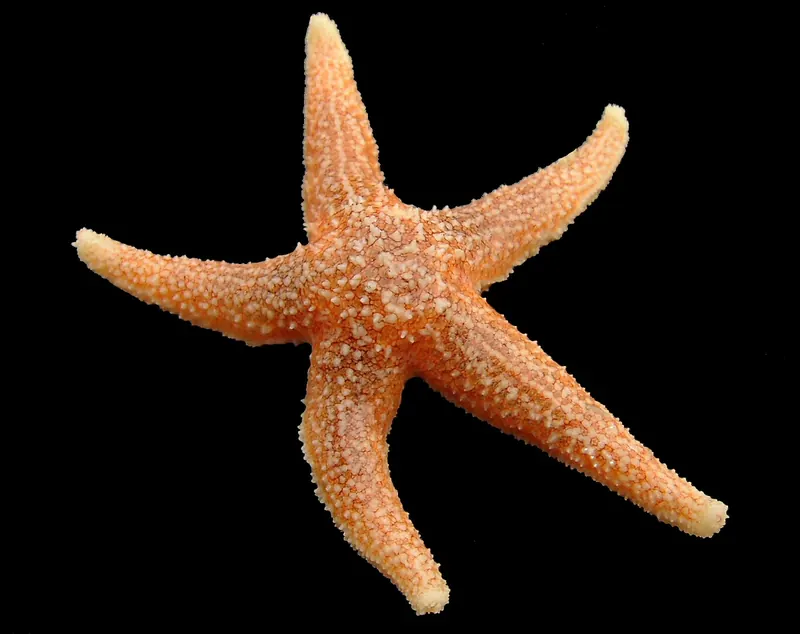
Asterias rubens
Most starfish can regrow lost arms — and they have no centralised brain. [source]
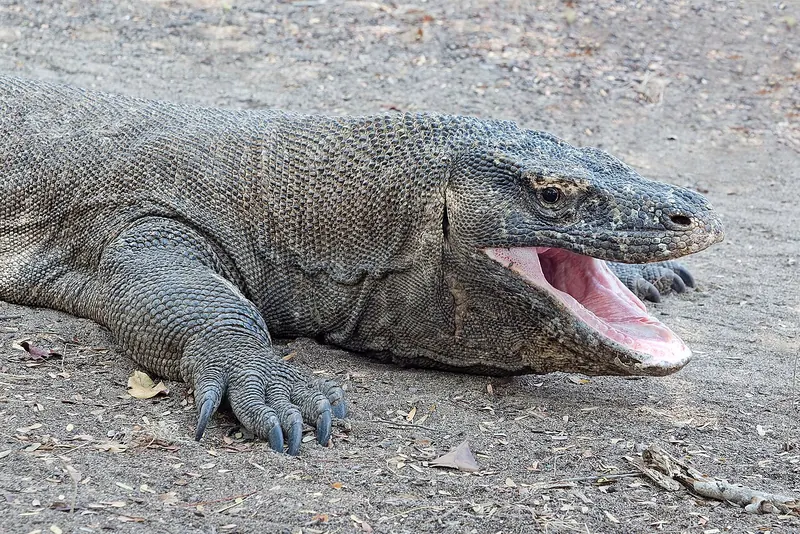
Varanus komodoensis
The largest living lizard: up to about 3 m long. [source]
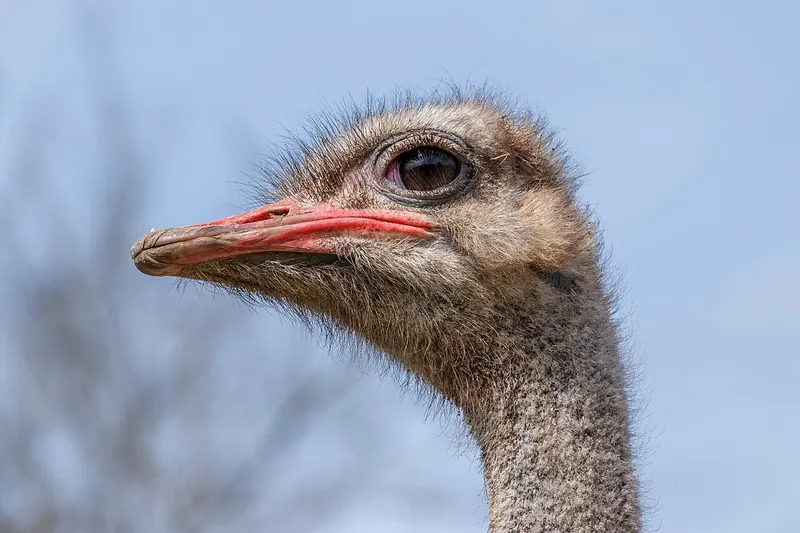
Struthio camelus
The largest living bird, laying the largest eggs of any living land animal. [source]
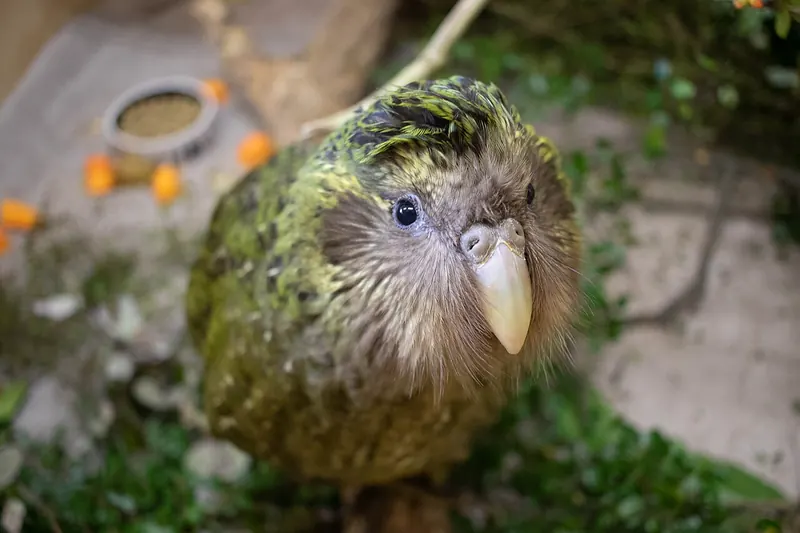
Strigops habroptila
The world’s only flightless parrot, and the heaviest. It is nocturnal. [source]
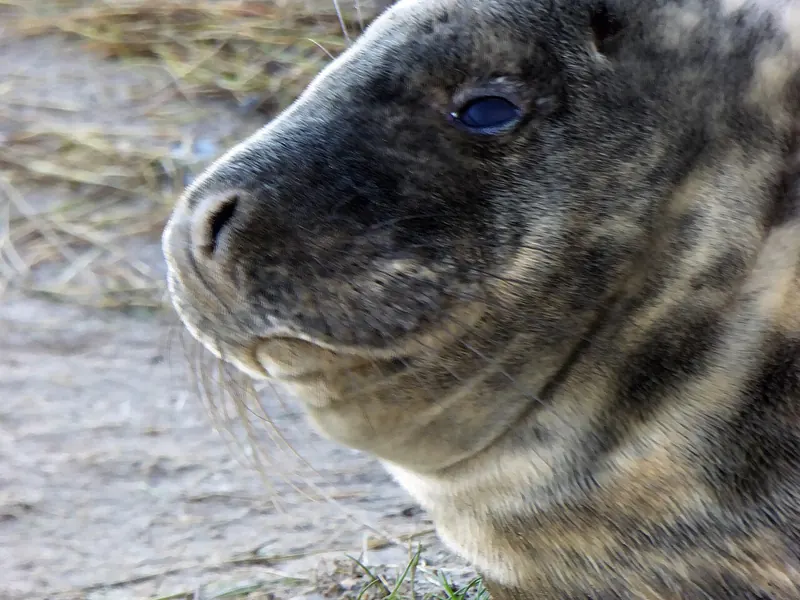
Halichoerus grypus
Found on both sides of the North Atlantic. The Isle of Man’s Coastal Code asks you to keep 50 m away. [source]
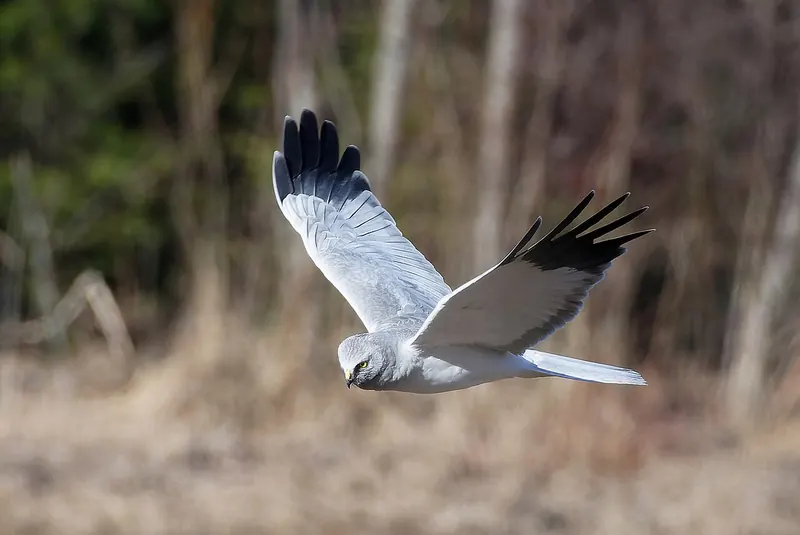
Circus cyaneus
Manx BirdLife counted 38 territorial pairs on the Isle of Man in 2022. [source]
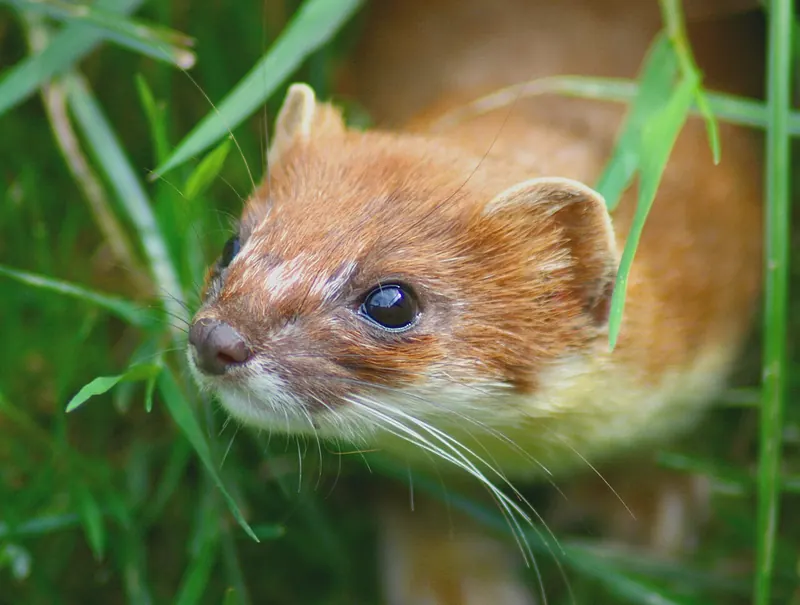
Mustela erminea
The Irish stoat is the only Manx land mammal shown to have reached the island on its own. [source]
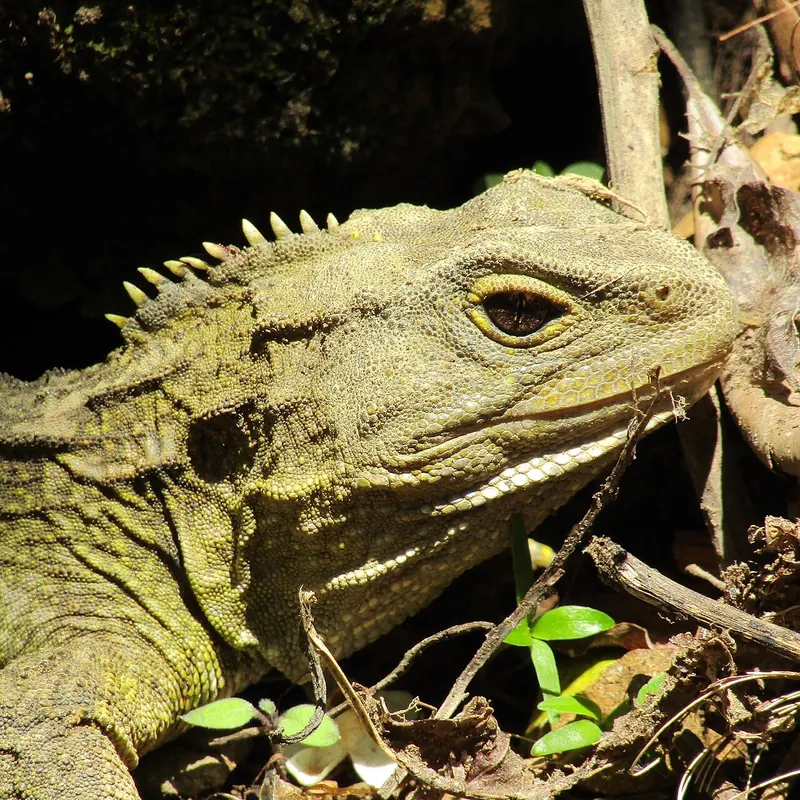
Sphenodon punctatus
Looks like a lizard but isn’t: the only living member of the order Rhynchocephalia. [source]
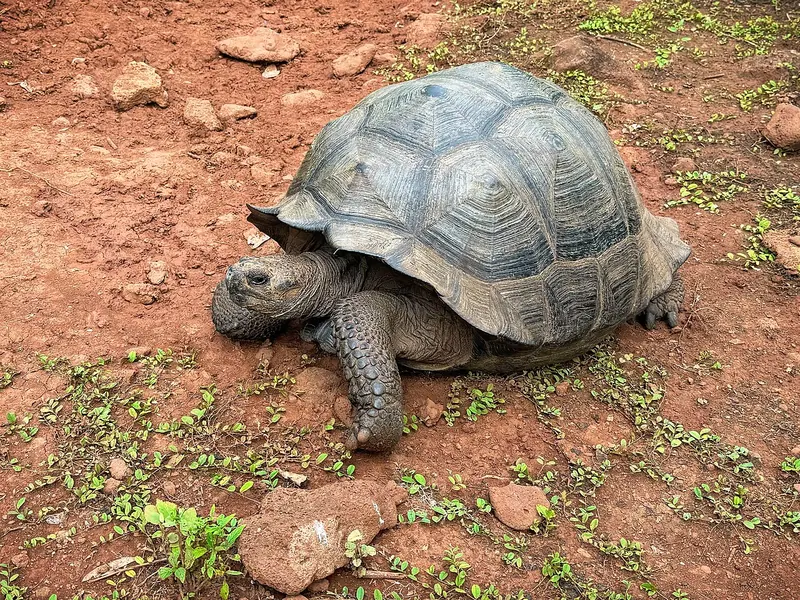
Chelonoidis niger
The largest living tortoise, weighing up to 417 kg. [source]
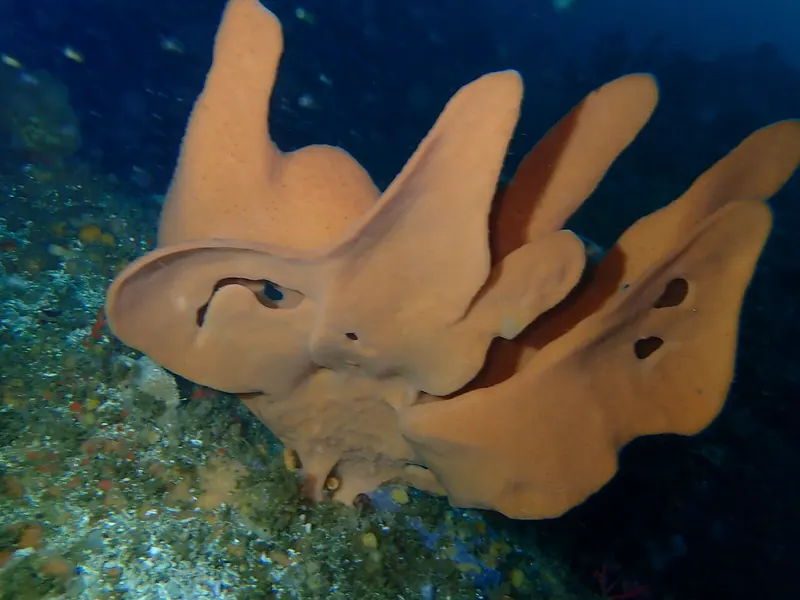
Phylum Porifera
Sponges are filter feeders with no true tissues or organs. The name Porifera means “pore bearer”. [source]
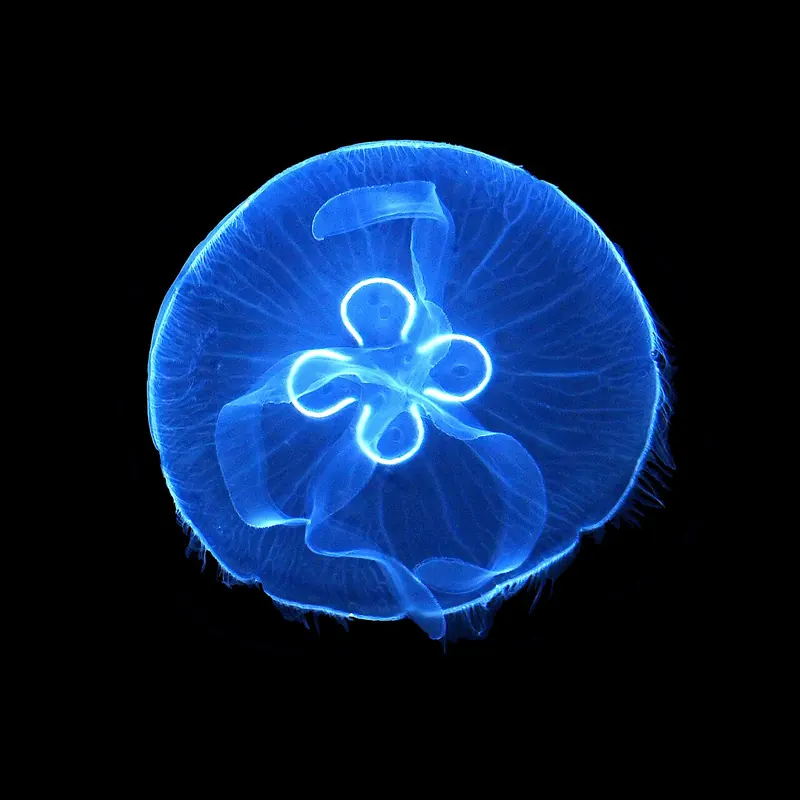
Aurelia aurita
Recognisable by four horseshoe-shaped gonads visible through the top of the bell. [source]
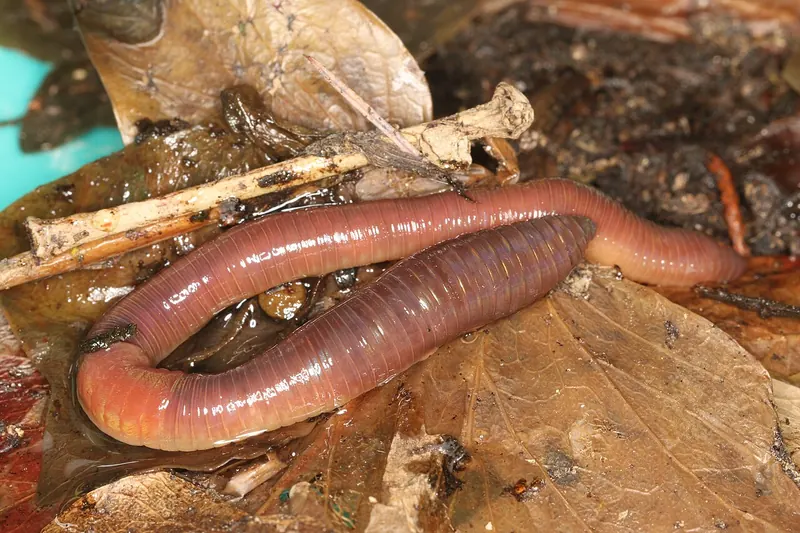
Lumbricus terrestris
Built as a segmented tube within a tube, usually with bristles (setae) on every segment. [source]
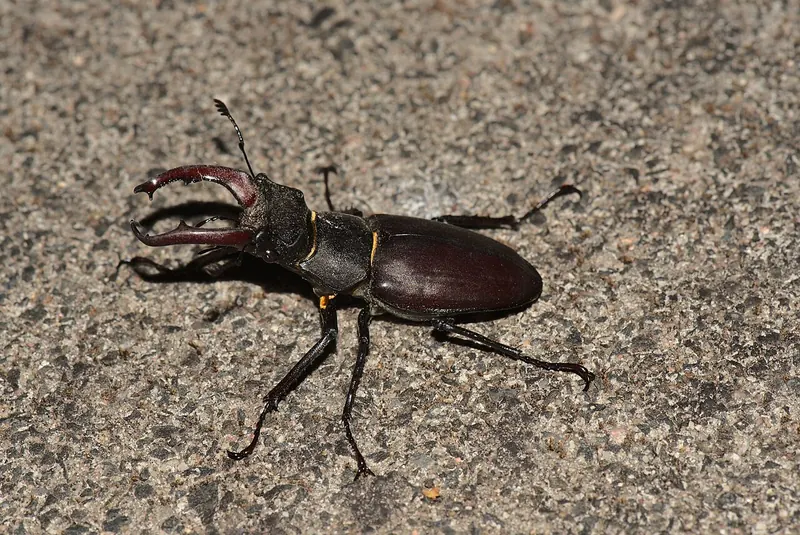
Lucanus cervus
Males use their oversized, antler-like mandibles to wrestle each other. [source]
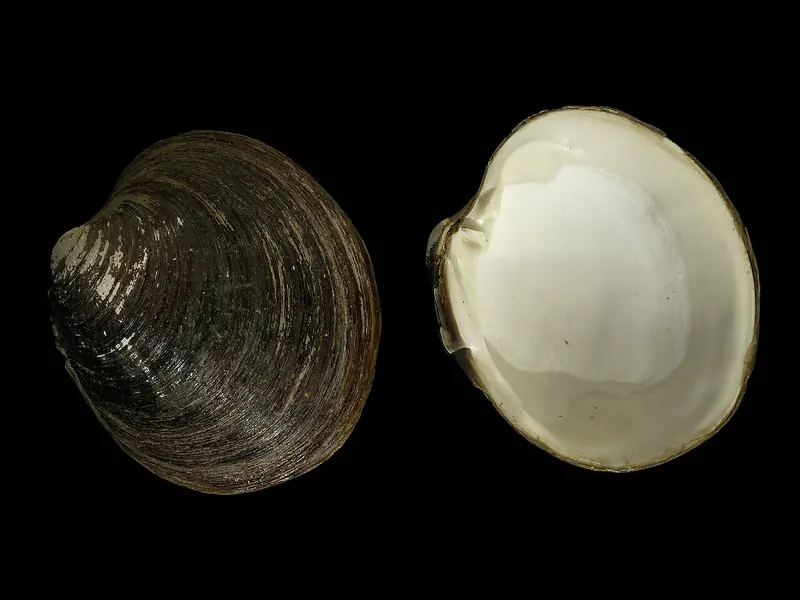
Arctica islandica
One clam, nicknamed “Ming”, was 507 years old. [source]
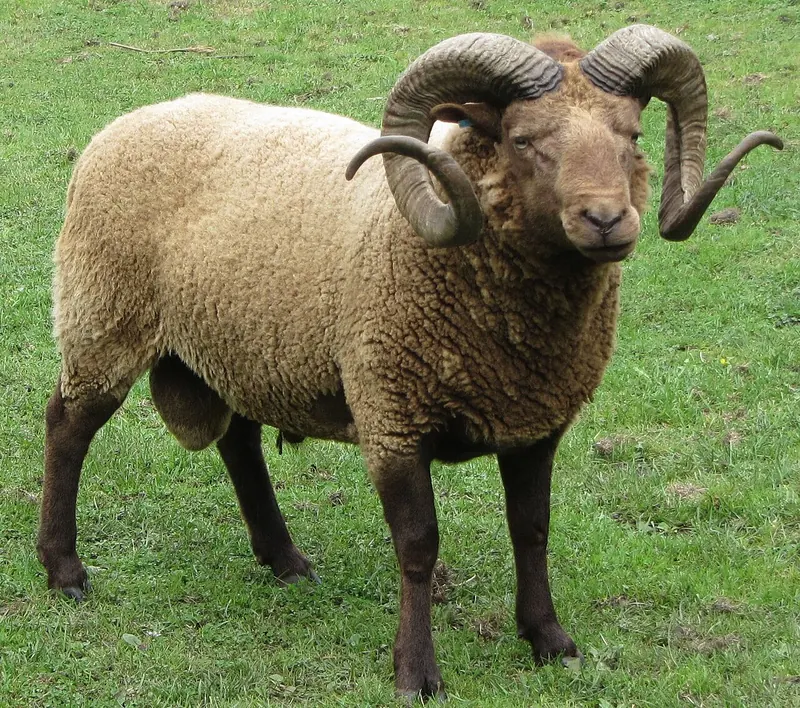
Ovis aries
A native Manx breed of sheep that usually has four horns — occasionally six. [source]
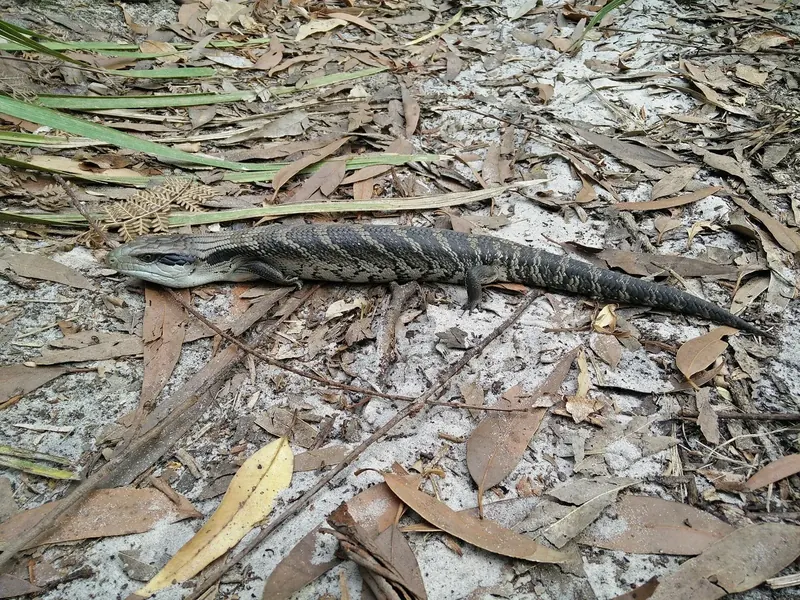
Tiliqua scincoides scincoides
Flashes a startling blue tongue when threatened. [source]
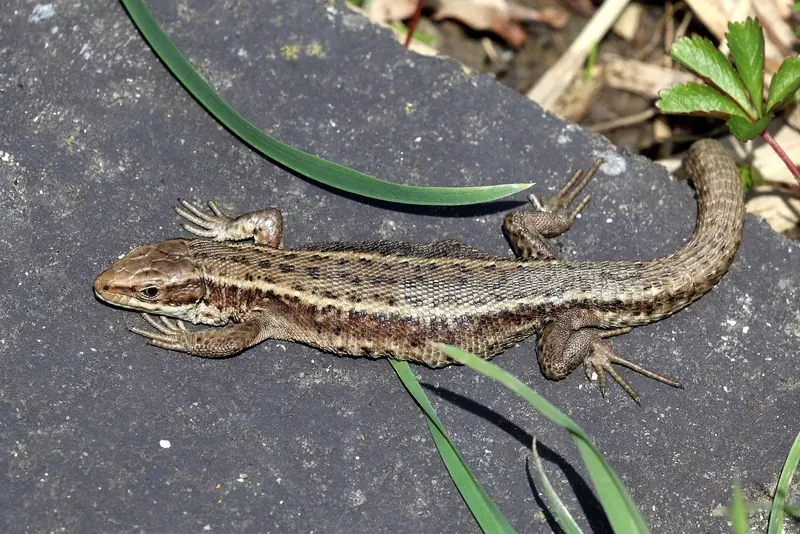
Zootoca vivipara
Gives birth to live young over most of its range, and is the Isle of Man’s only native reptile. [source]