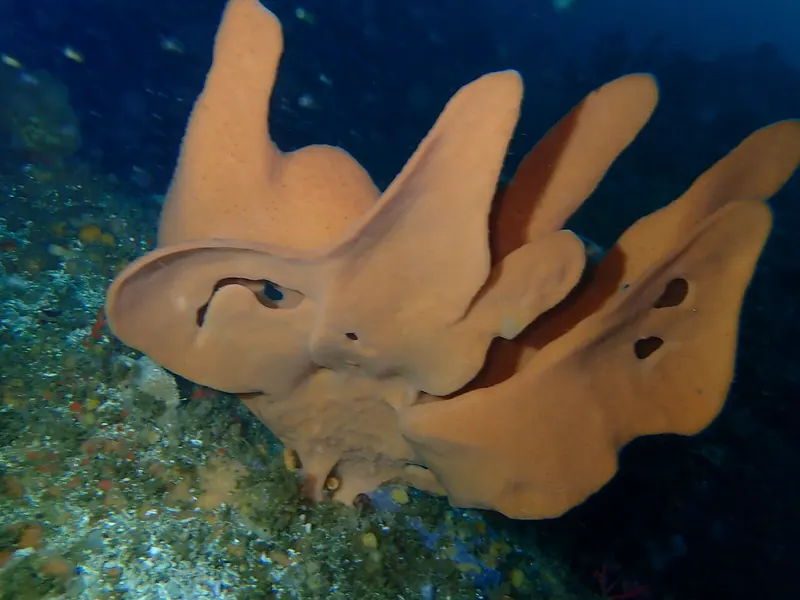
Sponges
Sponges have no true tissues or organs. [source]
A whistle-stop tour of the big branches, from animals that are barely more than plumbing to the ones reading this sentence.
Sponges have no true tissues or organs. [source]
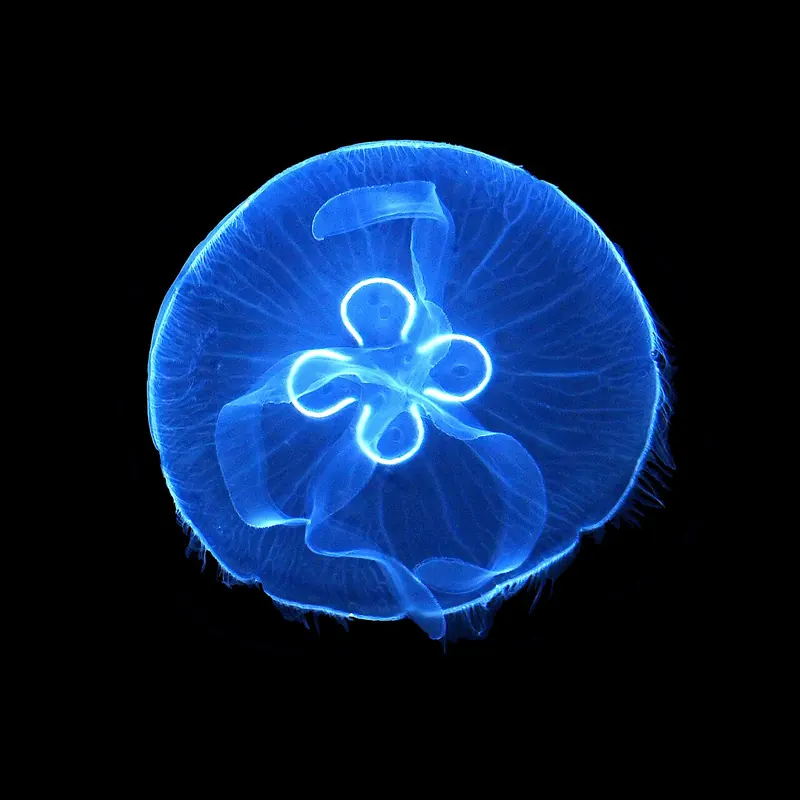
Cnidarians (jellyfish, corals, anemones) number over 11,000 species. [source]
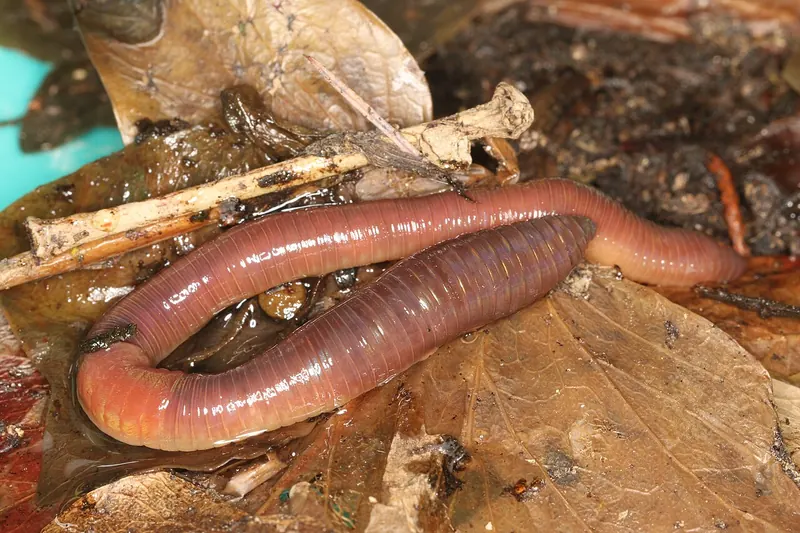
Annelids — segmented worms — number over 22,000 species. [source]
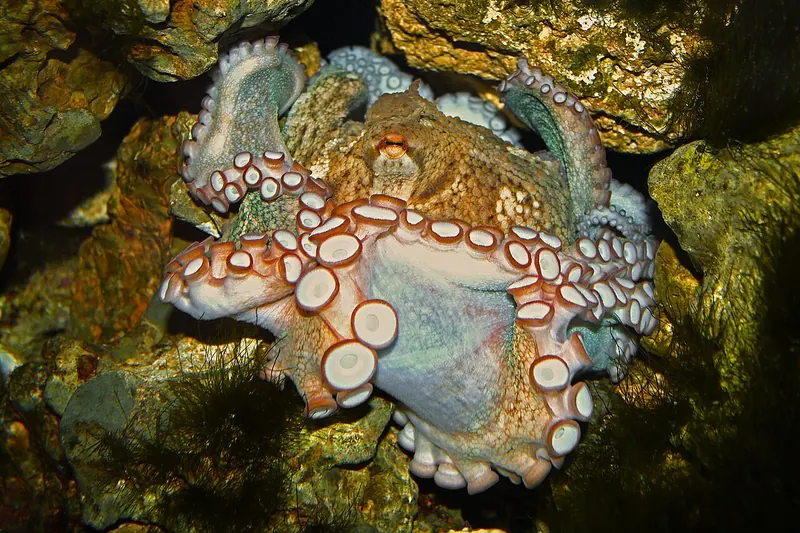
Molluscs are the second-largest animal phylum, with about 86,600 known species. [source]
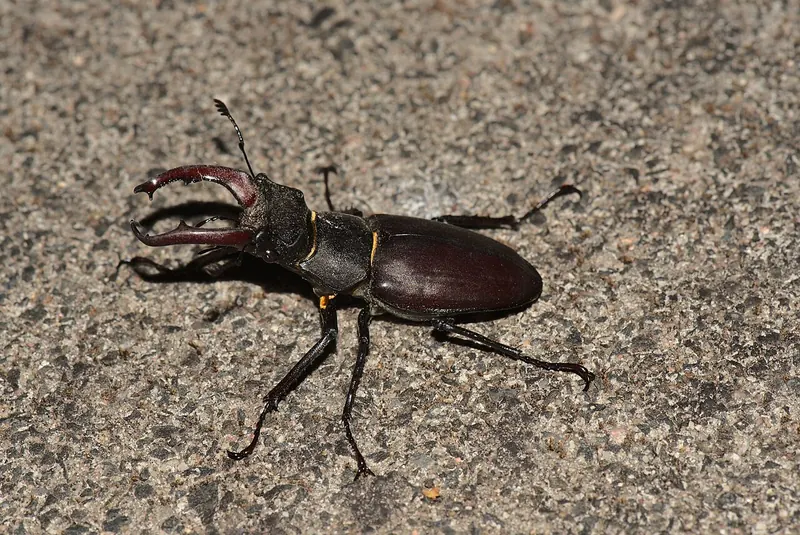
Arthropods make up over 80 per cent of described living animal species. [source]
About 400,000 beetle species have been described — roughly 40 per cent of described insects. [source]
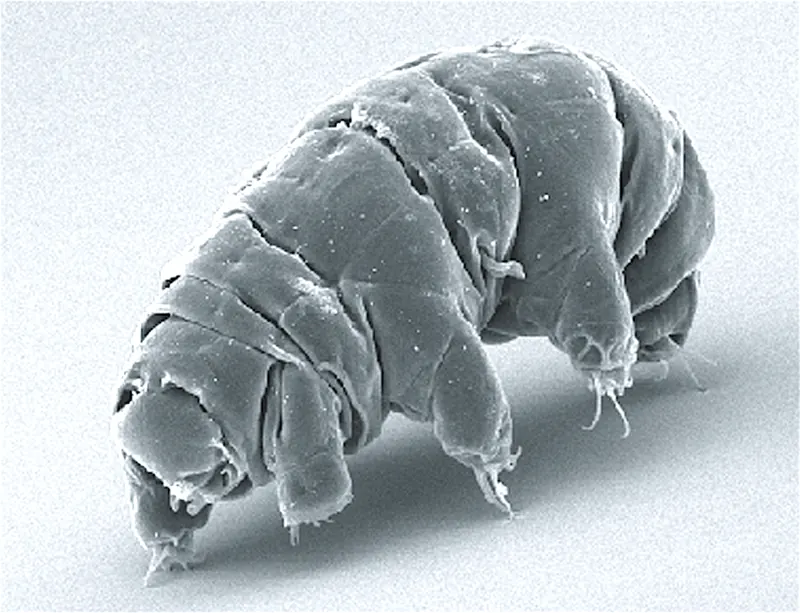
About 1,500 tardigrade species have been described. [source]
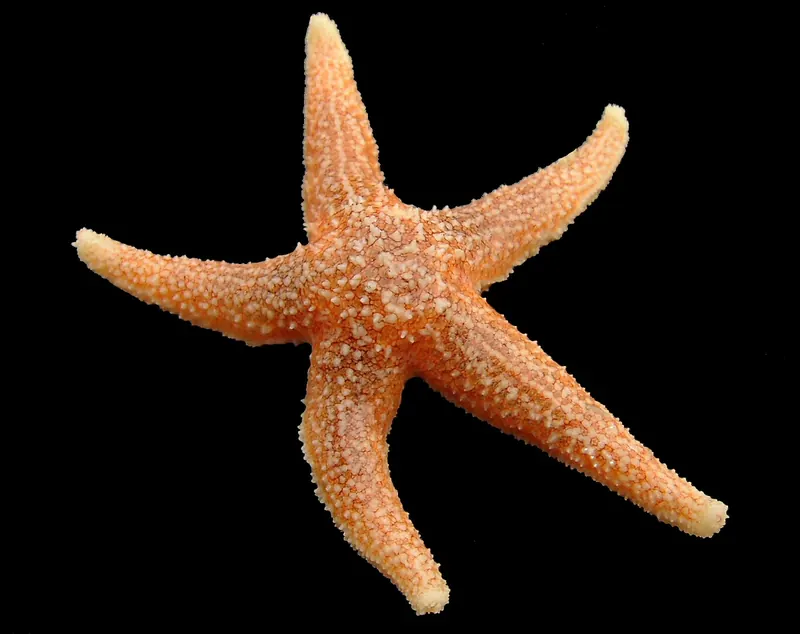
There are about 7,600 living species of echinoderm, all of them marine. [source]
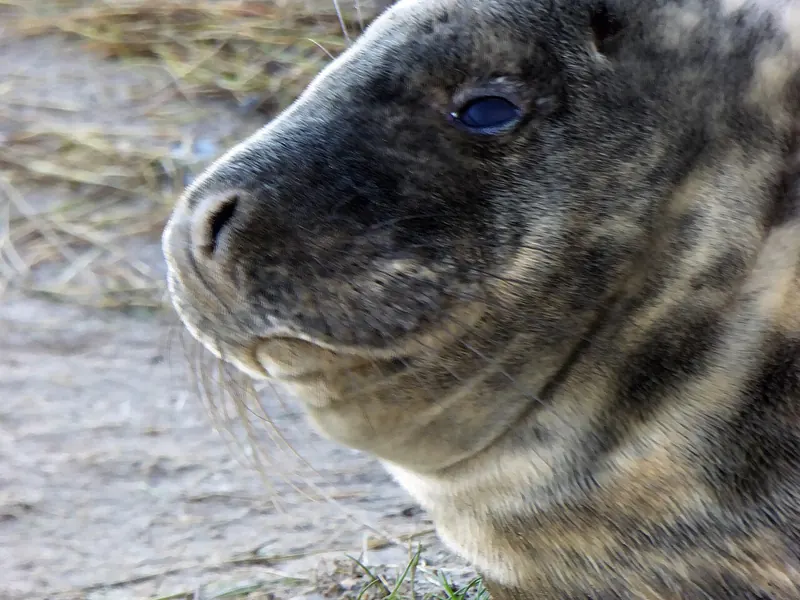
Chordates number over 81,000 species, about half of them ray-finned fishes. [source]
Birds are living dinosaurs — the surviving branch of the theropods. [source]
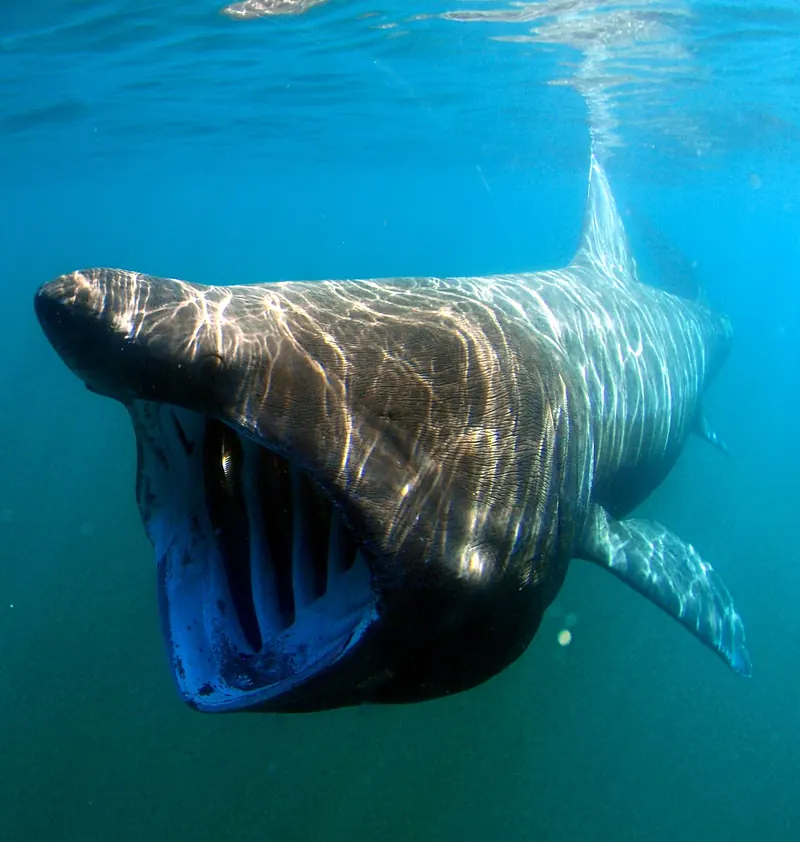
There are over 33,000 described fish species. [source]
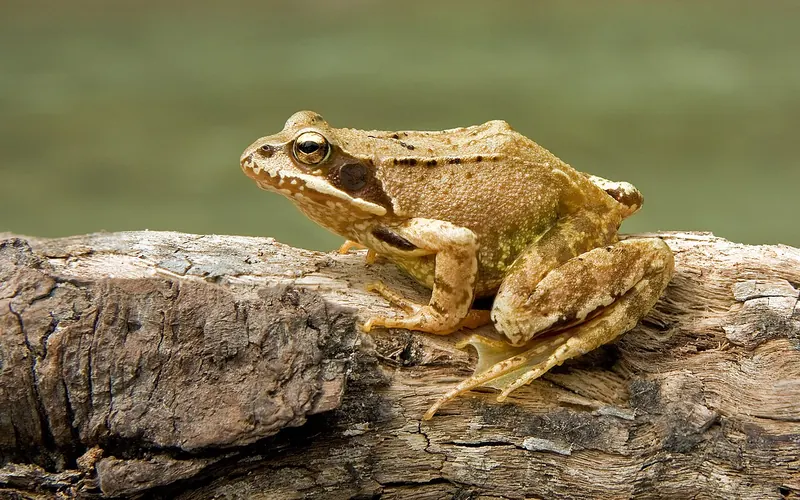
AmphibiaWeb lists 9,149 amphibian species: 8,068 frogs and toads, 846 newts and salamanders, 235 caecilians (22 Oct 2026). [source]
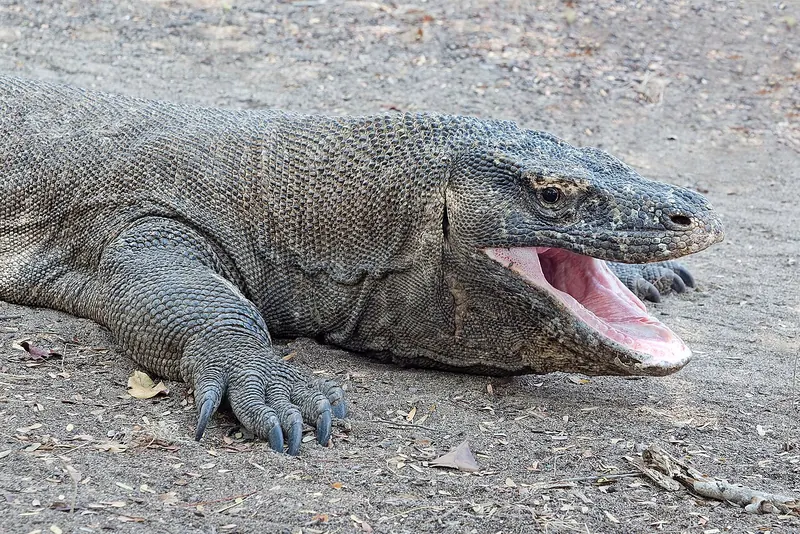
The Reptile Database lists about 12,000 reptile species. [source]
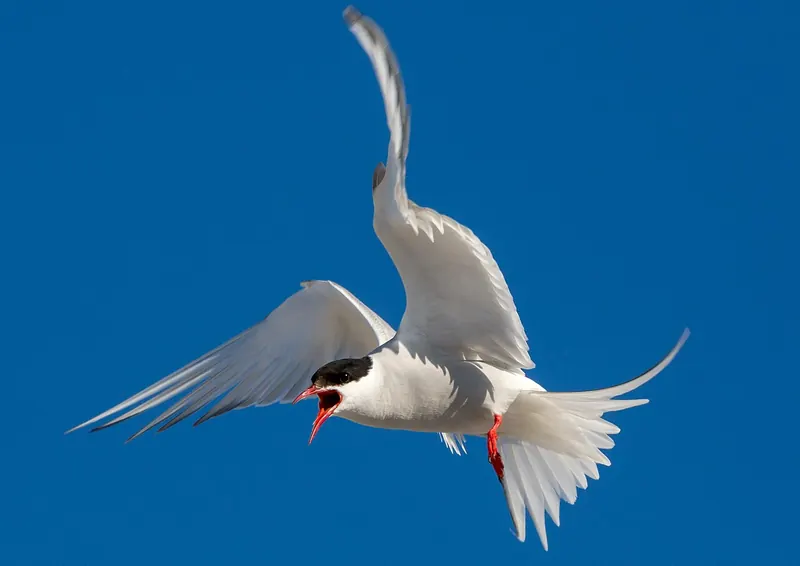
There are over 11,000 living bird species. [source]
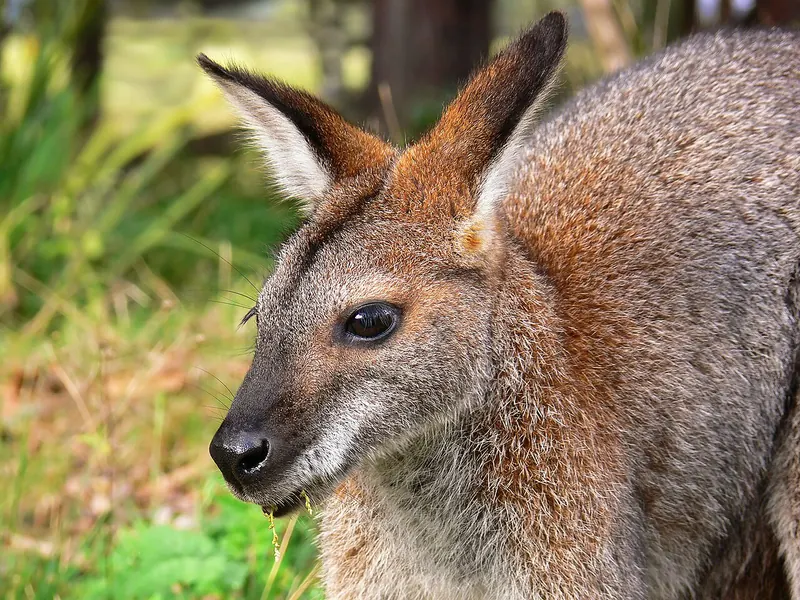
There are about 6,640 mammal species in 27 orders. [source]